Bioarchaeologists use a variety of methods to study human remains, including:
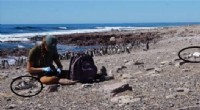
* Excavation: Bioarchaeologists often work with archaeologists to excavate human remains from archaeological sites. This can be a delicate process, as it is important to ensure that the remains are not damaged.
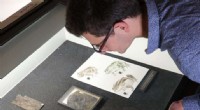
* Documentation: Once the remains have been excavated, bioarchaeologists will document them in detail. This includes taking measurements, photographs, and notes on the condition of the remains.
* Analysis: Bioarchaeologists will then analyze the remains to learn more about the individuals they came from. This can include studying the bones, teeth, and other tissues for evidence of disease, injury, diet, and other factors.
Bioarchaeological research can provide valuable insights into past human populations. For example, bioarchaeologists have studied human remains to learn about:
* Health and disease: Bioarchaeologists can study the remains of past individuals to learn about the diseases they suffered from. This can help us to understand how diseases have evolved over time and how they have affected human populations.
* Diet and subsistence: Bioarchaeologists can study the remains of past individuals to learn about their diet. This can help us to understand how human diets have changed over time and how they have been influenced by environmental factors.
* Social inequality: Bioarchaeologists can study the remains of past individuals to learn about social inequality. This can help us to understand how social hierarchies have evolved over time and how they have affected the lives of individuals.
Bioarchaeological research is a valuable tool for understanding past human populations. By studying human remains, bioarchaeologists can learn about the health, diet, and social lives of our ancestors.
Here are some specific examples of how bioarchaeological research has been used to gain insights into past human populations:
* In the United States, bioarchaeologists have studied the remains of Native Americans to learn about their health and diet. This research has shown that Native Americans were generally healthy and well-nourished before the arrival of Europeans. However, after the arrival of Europeans, Native Americans were exposed to new diseases, such as smallpox, measles, and influenza, which decimated their populations.
* In Europe, bioarchaeologists have studied the remains of medieval peasants to learn about their social status. This research has shown that medieval peasants lived in harsh conditions and were often malnourished. They were also more likely to suffer from diseases than the upper classes.
* In Africa, bioarchaeologists have studied the remains of early hominids to learn about their evolution. This research has shown that early hominids were bipedal and had a diet that included both meat and plants. They also lived in social groups and used tools.
Bioarchaeological research is a powerful tool for understanding past human populations. By studying human remains, bioarchaeologists can learn about the health, diet, social status, and evolution of our ancestors.