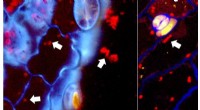
1. In binary fission, the original bacterial cell begins by duplicating its DNA, creating two identical copies.
2. The cell then elongates, and the duplicated DNA molecules move to opposite ends of the cell.
3. A cell membrane then forms between the two DNA molecules, dividing the cytoplasm and creating two separate daughter cells.
4. Each daughter cell receives one copy of the original DNA, ensuring genetic continuity and that both new bacteria are genetically identical to the parent cell.
Spore Formation: Under specific stressful environmental conditions (e.g., lack of nutrients, extreme temperatures), some bacteria produce resistant structures called endospores or spores.
Here's how bacteria reproduce through spore formation:
1. When the environmental conditions become unfavorable for bacterial growth and survival, certain bacterial species initiate spore formation.
2. During sporulation, the bacterial cell synthesizes a specialized dormant cell within itself called an endospore. The endospore contains the bacterial DNA and other essential components but lacks active metabolism and is highly resistant to extreme environmental conditions.
3. The original vegetative cell eventually disintegrates, leaving the resistant endospore in the environment.
4. When the environmental conditions become favorable again, the endospore germinates, resuming metabolic activity and growing into a new vegetative bacterial cell.
Spores are essential survival mechanisms that enable some bacteria to endure harsh environments and later reproduce when conditions improve.