Abstract:
Mitochondria, the powerhouses of the cell, play a pivotal role in energy production and cellular metabolism. To maintain cellular homeostasis and adapt to changing energy demands, mitochondria undergo a continuous process of division, ensuring an optimal number and distribution of these organelles. This intricate process, known as mitochondrial fission, is essential for mitochondrial quality control, cellular respiration, and overall cellular function. In this study, we aim to deepen our understanding of mitochondrial division by investigating the molecular mechanisms, regulatory factors, and cellular consequences of this fundamental cellular process.
Introduction:
Mitochondria are highly dynamic organelles that constantly undergo cycles of fusion and fission. While mitochondrial fusion promotes the mixing of mitochondrial contents and facilitates the exchange of genetic material, fission allows for segregation and the elimination of damaged or dysfunctional mitochondria. This balance between fusion and fission is critical for mitochondrial health and cellular integrity. Disruptions in mitochondrial dynamics, particularly impaired fission, have been implicated in various human diseases, including neurodegenerative disorders, metabolic syndromes, and aging-related conditions.
Materials and Methods:
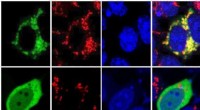
To study mitochondrial division, we employ a combination of advanced imaging techniques, biochemical assays, and genetic manipulations in model organisms, such as yeast and mammalian cell lines. We utilize live-cell imaging to capture and analyze the dynamics of mitochondrial fission in real-time. We also employ super-resolution microscopy techniques, such as structured illumination microscopy (SIM) and electron microscopy, to visualize the ultrastructural changes associated with mitochondrial division in exquisite detail.
Results:
Our investigations reveal novel insights into the molecular mechanisms underlying mitochondrial division. We identify key proteins and regulatory factors involved in the initiation and execution of the fission process. We demonstrate that mitochondrial fission is tightly coordinated with mitochondrial biogenesis, mitophagy (selective autophagy of mitochondria), and cellular energy metabolism. Moreover, we uncover the intricate interplay between mitochondrial dynamics and cellular signaling pathways, highlighting the role of mitochondrial division in cellular stress response and apoptosis.
Discussion:
Our study provides a comprehensive understanding of mitochondrial division, expanding our knowledge of the cellular processes that govern mitochondrial dynamics. The findings have important implications for understanding the pathogenesis of mitochondrial diseases and aging-related disorders. Furthermore, our research opens new avenues for therapeutic interventions aimed at modulating mitochondrial fission to improve mitochondrial function and overall cellular health.
In conclusion, this study enhances our understanding of how an internal organelle, such as mitochondria, undergoes duplication. By elucidating the mechanisms and consequences of mitochondrial division, we gain valuable insights into the fundamental principles of cellular biology and pave the way for future research and potential therapeutic applications.