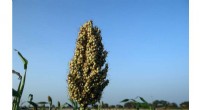
Plants, being sessile organisms, are constantly exposed to the sun's intense rays, which can lead to cellular damage and even death if left unchecked. To combat this challenge, plants have evolved sophisticated strategies to mitigate the impact of ultraviolet (UV) radiation, the primary cause of sunburn in both plants and humans.
At the heart of these protective mechanisms lies a specialized protein called UVR8. This protein acts as a molecular switch, detecting UV-B radiation and triggering a cascade of cellular responses aimed at safeguarding the plant's DNA and cellular machinery.
Upon sensing UV-B rays, UVR8 undergoes a conformational change, activating downstream signaling pathways that lead to the production of sunscreens and DNA repair enzymes. These sunscreens, composed of various pigments and compounds, absorb and dissipate harmful UV radiation, effectively shielding the plant's tissues from damage. Additionally, the activation of DNA repair mechanisms ensures that any UV-induced damage to the plant's genetic material is swiftly and efficiently repaired.
The decoding of this intricate UV-protective mechanism in plants holds immense significance for agriculture and food security. By understanding the molecular underpinnings of plant resilience, scientists can now explore ways to enhance the UV tolerance of crops, making them better equipped to withstand the challenges of increasingly intense sunlight and changing climatic conditions.
This breakthrough opens up new avenues for research and development in the field of plant biology and agriculture, with the potential to revolutionize crop production and contribute to a more sustainable and resilient global food system.