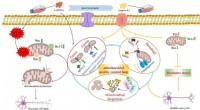
One of the key mechanisms of host defense against PFTs is the rapid uptake of the toxins into endosomes. This process is mediated by endocytosis, which is a cellular process that involves the engulfment of extracellular material. Once inside the endosome, the acidic environment and the presence of proteases can degrade the toxins and prevent them from reaching the plasma membrane.
In addition to endocytosis, other cellular mechanisms that contribute to host defense against PFTs include:
The production of antibodies that can neutralize the toxins.
The activation of the complement system, which is a part of the immune system that can kill bacteria and damage their cell membranes.
The induction of autophagy, which is a process that leads to the degradation of cellular components, including damaged organelles and bacteria.
The involvement of specific lipid molecules in the plasma membrane that can inhibit the insertion of PFTs.
By understanding the mechanisms by which eukaryotic cells defend themselves against PFTs, we can gain insights into the development of new therapeutic strategies to combat bacterial infections.