Introduction:
Spores stand as nature's remarkable survival strategy employed by various organisms to endure harsh environmental conditions. Encased in a protective shell, spores can withstand extreme temperatures, drought, and radiation. However, for life to emerge, these spores must break free from their dormant state in response to specific environmental cues. Understanding the molecular mechanisms underlying spore germination has captivated researchers, as it holds the key to unlocking applications in biotechnology, agriculture, and environmental sciences.
Tracking the Spore's Journey:
1. Activation Signals:
- Researchers begin by identifying the signals that trigger spore germination. These signals can include changes in temperature, moisture, pH, or nutrient availability.
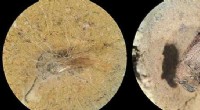
- Using advanced microscopy techniques, they track how spores respond to these stimuli by observing changes in their morphology and internal structure.
2. Molecular Analysis:
- To uncover the molecular basis of germination, researchers extract and analyze the RNA and proteins present in dormant and germinating spores.
- Comparative analysis helps them identify key genes and proteins that regulate the process.
3. Signal Transduction Pathways:
- The focus then shifts to deciphering the signaling pathways activated by these environmental cues.
- Advanced biochemical techniques, such as kinase assays and immunoprecipitation, are employed to map the intricate network of molecular interactions.
4. Transcriptional Regulation:
- Researchers delve deeper into the transcriptional regulation of genes involved in spore germination.
- They utilize techniques like chromatin immunoprecipitation (ChIP) to identify transcription factors and regulatory elements that control gene expression.
5. Metabolic Shift:
- Spore germination demands a metabolic shift as the organism transitions from a dormant to an active state.
- Researchers use metabolic profiling and flux analysis to track changes in nutrient utilization, energy production, and biosynthesis pathways.
6. Environmental Influence:
- Understanding how environmental factors influence spore germination is crucial.
- Researchers expose spores to different temperature, humidity, and nutrient conditions to assess their germination responses.
- This knowledge aids in predicting and managing spore germination in natural and agricultural settings.
Conclusion:
By meticulously tracking the molecular events that govern spore germination, researchers are unraveling the secrets behind this fascinating biological phenomenon. Their findings contribute to advancements in biotechnology, enabling the manipulation and exploitation of spore-based technologies. Furthermore, this knowledge deepens our understanding of microbial ecology, plant pathology, and the development of novel strategies to control spore-forming pathogens. As the research continues, the spore's journey from dormancy to germination holds immense promise for unlocking transformative applications in various scientific fields.