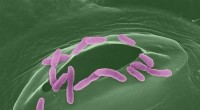
Intracellular pathogens are microorganisms that can invade and live inside host cells. Once inside the cells, these pathogens can replicate and cause damage, leading to various diseases. The immune system plays a crucial role in recognizing and eliminating these intracellular pathogens. However, the mechanisms by which the immune system detects and responds to intracellular pathogens are not fully understood.
In this study, the researchers focused on a protein called cGAS (cyclic GMP-AMP synthase), which is involved in sensing DNA in the cytoplasm of cells. DNA is usually found in the nucleus of cells, but the presence of DNA in the cytoplasm can be a sign of infection by intracellular pathogens.
The researchers found that cGAS can detect DNA from intracellular pathogens and produce a molecule called cGAMP (cyclic GMP-AMP). cGAMP acts as a second messenger, triggering the activation of another protein called STING (stimulator of interferon genes). STING then initiates a signaling cascade that leads to the production of type I interferons, which are important for antiviral responses and inflammation.
The researchers also found that cGAS can form complexes with other proteins, such as DDX41 (DEAD-box helicase 41), to enhance its ability to detect DNA from intracellular pathogens. DDX41 helps to unwind DNA, making it more accessible to cGAS.
These findings provide new insights into how the immune system recognizes and responds to intracellular pathogens. Targeting the cGAS-STING pathway could lead to the development of novel therapeutic strategies to enhance the immune response against intracellular infections and diseases.