Stem cells hold tremendous promise for medicine because they can differentiate into any cell in the body. However, controlling how stem cells develop has been a major challenge. Now, scientists at the University of California, San Francisco (UCSF) have discovered a key factor that regulates stem cell differentiation.
The research team, led by Dr. Catherine Maynard, found that a protein called LIN28A plays a critical role in controlling the balance between self-renewal and differentiation of stem cells. LIN28A is known to be important for embryonic development, but its role in stem cells has been unclear.
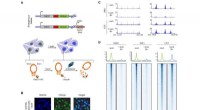
The UCSF scientists found that LIN28A binds to and inhibits the activity of a microRNA called let-7. Let-7 is a known regulator of cell differentiation, and its inhibition by LIN28A allows stem cells to maintain their self-renewing state.
When the researchers increased the levels of let-7 in stem cells, they found that the cells differentiated into neurons. This suggests that let-7 could be used to control the differentiation of stem cells into specific cell types.
"This discovery is a major breakthrough in our understanding of stem cell differentiation," said Dr. Maynard. "It provides us with a potential new way to control how stem cells develop, which could lead to new treatments for a variety of diseases."
The findings were published in the journal Nature.
Potential Applications
The discovery that LIN28A regulates stem cell differentiation has a number of potential applications in medicine. For example, it could be used to:
* Grow new cells to repair damaged tissue.
* Develop new drugs to treat diseases that are caused by stem cell dysfunction.
* Create new stem cell-based therapies for a variety of conditions, such as cancer, heart disease, and diabetes.
Further Research
The UCSF scientists are continuing to study the role of LIN28A in stem cell differentiation. They are also investigating ways to use let-7 to control stem cell differentiation. This research could lead to new treatments for a variety of diseases and conditions.