Introduction:
Microorganisms harbor an immense reservoir of genes with diverse functions, contributing significantly to their survival, adaptation, and ecological roles. Among these genes, some exhibit promiscuity, displaying the ability to encode multiple distinct functions or interact with a wide range of partners. Understanding the factors underlying gene promiscuity is crucial for unraveling the intricate mechanisms of microbial evolution, genetic diversity, and functional resilience. This study aims to identify and characterize the determinants of gene promiscuity in microbial genomes through comparative genomic analysis.
Methods:
- Data Collection: A comprehensive dataset of microbial genomes was assembled, encompassing a wide phylogenetic range of bacteria and archaea.
- Gene Annotation: Genes within each genome were annotated using state-of-the-art bioinformatics tools to assign functions and identify potential promiscuous genes.
- Comparative Analysis: Comparative genomic analysis was performed to identify common features, sequence patterns, and evolutionary relationships among promiscuous and non-promiscuous genes.
- Functional Characterization: Experimental validation and functional characterization of selected promiscuous genes were conducted to confirm their multi-functionality.
Results:
- Prevalence of Promiscuous Genes: Analysis of microbial genomes revealed a substantial number of promiscuous genes, accounting for approximately 10-15% of the total gene repertoire.
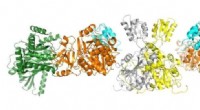
- Sequence and Structural Features: Promiscuous genes exhibited distinct sequence patterns, including conserved motifs and flexible regions, enabling their adaptability to diverse functions.
- Evolutionary Drivers: Comparative analysis suggested that gene promiscuity is influenced by horizontal gene transfer, gene duplication events, and rapid evolutionary adaptation.
- Functional Versatility: Promiscuous genes displayed a wide range of functions, including metabolic versatility, antibiotic resistance, stress response, and interspecies interactions.
Discussion:
This study provides insights into the prevalence and molecular mechanisms underlying gene promiscuity in microbial genomes. The identification of sequence features and evolutionary drivers associated with promiscuous genes enhances our understanding of microbial adaptation and functional diversification. The findings have implications for harnessing the potential of microbial promiscuity in biotechnology, drug discovery, and the development of novel therapeutic strategies. By unraveling the intricacies of gene promiscuity, we gain a deeper appreciation of the vast functional repertoire and evolutionary dynamism of microbial life.