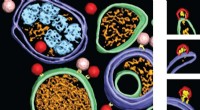
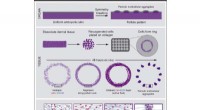
The model, called the "parasite-induced hyperinflammation model," describes the complex interactions between the host immune system, the parasite, and the host's tissue. It suggests that the immune response, while essential for clearing an infection, can sometimes cause excessive inflammation that damages the host's own tissues. This hyperinflammation can lead to severe disease and even death.
"Our model provides a framework for understanding how the immune system interacts with the parasite and the host tissue to determine the outcome of an infection," said lead author Dr. James Randerson. "It suggests that there is a delicate balance between the immune response and tissue damage, and that even a slight shift in this balance can have significant consequences for the host's health."
The model was developed based on data from experiments involving malaria parasites and mice. However, the researchers believe that it may be applicable to a wide range of host-parasite interactions, including those involving other types of parasites, such as bacteria and viruses.
"We hope that this model will be useful for understanding the mechanisms by which parasites cause disease and for developing new therapeutic strategies to mitigate the effects of hyperinflammation," said senior author Dr. Michael Boots.
The study was published in the journal "PLOS Computational Biology."