Key Findings:
Protein Expression Differences:
- Researchers analyzed the differences in protein expression between *Salmonella* Typhi and *Salmonella* Typhimurium, a related pathogen that can cause food poisoning but not typhoid fever.
- They found that *Salmonella* Typhi expresses a specific protein called SseI only when infecting human cells or when in contact with human-specific bile acids.
Role of SseI:
- SseI is a secreted protein that interacts with a human protein called Rab9, which is involved in intracellular transport and signaling pathways.
- This interaction enables *Salmonella* Typhi to manipulate Rab9's function, allowing the bacteria to survive and replicate within human cells.
- SseI does not interact with Rab9 in other species, explaining why *Salmonella* Typhi primarily targets humans.
Implications:
- The discovery of SseI's role in *Salmonella* Typhi's host specificity provides a new potential target for therapeutic intervention.
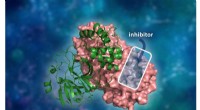
- By developing drugs that inhibit the interaction between SseI and Rab9, researchers may be able to prevent or treat typhoid fever.
Conclusion:
The identification of SseI as a key factor in *Salmonella* Typhi's host specificity represents a significant advance in understanding the mechanisms behind this disease. This knowledge opens up new avenues for the development of targeted therapies and ultimately contributes to better patient outcomes in the fight against typhoid fever.