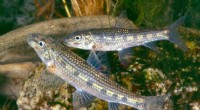
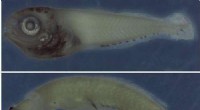
One of the most important things that scientists have learned from robotic fish is that the shape of a fish's body plays a major role in how it moves. For example, fish with long, slender bodies are able to swim faster than fish with shorter, wider bodies. This is because the long, slender bodies create less drag in the water.
Scientists have also learned that the way a fish moves its fins can have a big impact on its swimming ability. For example, fish that move their fins in a wave-like motion are able to swim more efficiently than fish that move their fins in a more jerky motion.
By studying robotic fish, scientists are gaining a new understanding of how animals move. This research could have important implications for the design of underwater vehicles and our understanding of how animals interact with their environment.
Here are some specific examples of how robotic fish have helped scientists to understand how animals move:
* Robotic fish have shown that the shape of a fish's body can have a major impact on its swimming ability. Fish with long, slender bodies are able to swim faster than fish with shorter, wider bodies.
* Robotic fish have shown that the way a fish moves its fins can have a big impact on its swimming efficiency. Fish that move their fins in a wave-like motion are able to swim more efficiently than fish that move their fins in a more jerky motion.
* Robotic fish have shown that fish use their tails to generate thrust and control their direction of movement. The tail is the most important body part for swimming in fish.
* Robotic fish have shown that fish can sense the flow of water around their bodies and use this information to adjust their swimming movements. This ability is called hydrodynamic sensing.
* Robotic fish have shown that fish can learn from their mistakes and improve their swimming ability over time. This ability is called motor learning.
Robotic fish are providing scientists with a valuable tool for studying how animals move. This research could have important implications for the design of underwater vehicles and our understanding of how animals interact with their environment.