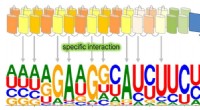
CRISPR-Cas9 works by using a guide RNA molecule to lead the Cas9 protein to a specific location in the genome. The Cas9 protein then cuts the DNA at that location, creating a double-strand break. The cell's natural DNA repair mechanisms then repair the break, either by deleting the section of DNA that was cut out or by inserting new DNA.
This technology has been used to correct genetic mutations in a variety of animal models, and it is currently being tested in clinical trials in humans. Some of the diseases that CRISPR-Cas9 is being investigated for include sickle cell anemia, beta-thalassemia, and muscular dystrophy.
If CRISPR-Cas9 proves to be safe and effective in humans, it could have a profound impact on the treatment of genetic diseases. This technology could potentially lead to new treatments that are more effective and less expensive than current therapies.
Here is a more detailed explanation of how CRISPR-Cas9 works:
1. Guide RNA design. The first step is to design a guide RNA molecule that will lead the Cas9 protein to the specific location in the genome that needs to be edited. The guide RNA is a short piece of RNA that is complementary to the DNA sequence at the target site.
2. Cas9 protein expression. The next step is to express the Cas9 protein in the cell. The Cas9 protein is a nuclease, which means that it can cut DNA.
3. DNA cleavage. The Cas9 protein binds to the guide RNA and scans the DNA until it finds a sequence that matches the guide RNA. The Cas9 protein then cuts the DNA at that location, creating a double-strand break.
4. DNA repair. The cell's natural DNA repair mechanisms then repair the break. There are two main types of DNA repair mechanisms: non-homologous end joining (NHEJ) and homology-directed repair (HDR).
* NHEJ is a quick and dirty way to repair DNA breaks. It simply joins the two ends of the broken DNA together, without regard to whether or not the sequence is correct. This can sometimes lead to mutations.
* HDR is a more precise way to repair DNA breaks. It uses a template strand of DNA to repair the break, so that the sequence is restored to its original state. This is the preferred method of DNA repair for CRISPR-Cas9 editing.
CRISPR-Cas9 is a powerful tool that has the potential to revolutionize the treatment of genetic diseases. However, it is important to note that this technology is still in its early stages of development, and there are still many safety and ethical concerns that need to be addressed before it can be widely used in humans.