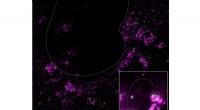
* The loss of cell-cell interactions: In the body, cells are constantly interacting with each other and with their surroundings. This complex network of interactions helps to regulate cell growth, differentiation, and function. When cells are grown in vitro, they lose many of these interactions, which can lead to changes in their behavior.
* The lack of a three-dimensional environment: In the body, cells live in a three-dimensional environment that provides physical support and cues for cell growth and differentiation. When cells are grown in vitro, they are typically grown on a flat surface, which can alter their shape and function.
* The absence of immune system: The immune system plays a critical role in maintaining health and preventing disease. When cells are grown in vitro, they are not exposed to the immune system, which can lead to the growth of abnormal cells.
Despite these challenges, cell culture remains a valuable tool for studying human health and disease. By carefully controlling the culture conditions, researchers can minimize the effects of these factors and gain important insights into the molecular mechanisms of disease.
Here are some specific examples of how lab-grown cells can differ from cells in the human body:
* Cancer cells: Cancer cells grown in vitro often behave differently than cancer cells in the body. For example, cancer cells grown in vitro may be more sensitive to chemotherapy drugs than cancer cells in the body. This is because cancer cells in vitro are not exposed to the same microenvironment as cancer cells in the body, which can include factors that protect the cells from chemotherapy drugs.
* Stem cells: Stem cells grown in vitro can differentiate into a variety of different cell types. However, the differentiation of stem cells in vitro is not always the same as the differentiation of stem cells in the body. This is because the microenvironment of stem cells in the body provides cues that guide the differentiation process.
* Neurons: Neurons grown in vitro can form connections with other neurons and transmit electrical signals. However, the connections formed by neurons in vitro are not always the same as the connections formed by neurons in the brain. This is because the microenvironment of neurons in the brain provides cues that guide the formation of these connections.
It is important to be aware of the limitations of cell culture when using it to study human health and disease. By understanding the differences between cells grown in vitro and cells in the human body, researchers can design experiments that minimize the effects of these differences and obtain more accurate results.