The Hessian fly is a small, dark-colored fly that is a major pest of wheat. The larvae of the Hessian fly feed on the stems of wheat plants, causing them to form galls. These galls can reduce the yield of wheat by up to 50%.
Scientists have long been interested in understanding how the Hessian fly causes galls. By understanding the molecular mechanisms involved, they hope to develop new ways to control this pest.
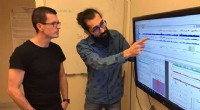
A recent study by researchers at the University of California, Davis has shed new light on this question. The study, published in the journal "Nature Genetics," used genome sequencing to identify the genes that are responsible for gall formation.
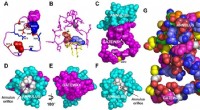
The researchers found that the Hessian fly produces a protein called "gall-inducing factor" (GIF). This protein triggers the formation of galls in wheat plants. The researchers also found that GIF is produced by a specific gene in the Hessian fly genome.
This discovery is a significant breakthrough in the understanding of how the Hessian fly causes galls. It could lead to the development of new ways to control this pest. For example, scientists could develop a wheat variety that is resistant to GIF. They could also develop a chemical that blocks the production of GIF.
These findings are also important for understanding the evolution of gall formation. Galls are a common defense mechanism in plants, but they are not always caused by insects. In some cases, galls are caused by fungi, bacteria, or viruses.
The study of gall formation could help scientists to understand how plants evolve new defenses against pests and diseases. This information could be used to develop new strategies for protecting crops from pests and diseases.
Highlights:
- The Hessian fly is a major pest of wheat, causing yield losses of up to 50%.
- The larvae of the Hessian fly feed on the stems of wheat plants, causing them to form galls.
- Scientists have used genome sequencing to identify the genes responsible for gall formation.
- The Hessian fly produces a protein called "gall-inducing factor" (GIF) that triggers the formation of galls in wheat plants.
- The discovery could lead to new ways to control this pest, such as developing wheat varieties resistant to GIF or chemicals that block its production.
- This study also sheds light on the evolution of gall formation in plants.