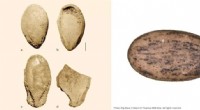
The study was conducted by a team of researchers from the University of Wisconsin-Madison and the University of Minnesota. The team used genetic analysis to identify the mutation that led to the loss of the hard outer kernel. They then used computer modeling to simulate the effects of the mutation on the plant's growth and development.
The results of the study showed that the mutation had a significant impact on the plant's ability to produce food. Plants with the mutation were able to produce more kernels than plants without the mutation, and the kernels were larger and more nutritious. The mutation also made the plants more resistant to pests and diseases.
The researchers believe that the mutation that led to the loss of the hard outer kernel was a key factor in the rise of corn as a staple crop. The mutation made corn more nutritious and easier to digest, which made it a more attractive option for farmers. The mutation also made the plants more resistant to pests and diseases, which made them easier to grow.
The study provides new insights into the genetic changes that have led to the development of modern crops. The research could also be used to develop new crops that are more nutritious and easier to grow.
Here is a summary of the study:
* A team of researchers from the University of Wisconsin-Madison and the University of Minnesota conducted a study to identify the genetic mutation that led to the loss of the hard outer kernel in corn.
* The researchers used genetic analysis to identify the mutation and computer modeling to simulate its effects on the plant's growth and development.
* The results of the study showed that the mutation had a significant impact on the plant's ability to produce food. Plants with the mutation were able to produce more kernels than plants without the mutation, and the kernels were larger and more nutritious.
* The mutation also made the plants more resistant to pests and diseases.
* The researchers believe that the mutation that led to the loss of the hard outer kernel was a key factor in the rise of corn as a staple crop.