CRISPR-Cas9 is a gene-editing system that uses a guide RNA (gRNA) to direct the Cas9 protein to a specific DNA sequence. Once bound to the DNA, Cas9 cuts the DNA, creating a double-strand break that can then be repaired by the cell's own DNA repair machinery. This process can be used to insert, delete, or modify genes, making CRISPR-Cas9 a promising tool for treating a wide range of genetic diseases.
However, CRISPR-Cas9 is not always 100% accurate. Sometimes, it can cut DNA at unintended locations, leading to unwanted mutations. The new study from UC Berkeley sought to understand why this happens by examining the dynamics of how CRISPR-Cas9 targets DNA in live cells.
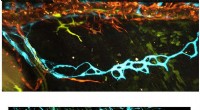
Using a combination of live-cell imaging and biochemical assays, the researchers found that CRISPR-Cas9 first binds to DNA at random locations before searching for its target sequence. This search process can take several minutes, and during this time, CRISPR-Cas9 can cut DNA at unintended locations.
The researchers also found that the efficiency of CRISPR-Cas9 is affected by the structure of the DNA. For example, CRISPR-Cas9 is more likely to cut DNA at locations that are close to bends or kinks in the DNA.
These findings provide new insights into how CRISPR-Cas9 works and could help improve its accuracy and efficiency. By understanding the dynamics of how CRISPR-Cas9 targets DNA, scientists can design gRNAs that are more specific for their target sequences and reduce the risk of unintended mutations.
CRISPR-Cas9 is a powerful tool with the potential to revolutionize medicine, but it is important to understand how it works in order to use it safely and effectively. The new study from UC Berkeley provides important insights into the dynamics of CRISPR-Cas9 targeting, which could help improve its accuracy and efficiency and make it a more promising tool for treating a wide range of genetic diseases.