In the traditional model of vertebrate vision, light enters the eye and strikes specialized photoreceptor cells called rods and cones located in the retina. These cells convert light into electrical signals, which are then transmitted to the brain for processing and interpretation, producing the images we see.
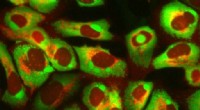
However, the new study upends this conventional understanding. The researchers discovered a population of cells in the retina that do not directly sense light but play a critical role in enhancing visual perception. These cells, dubbed "interplexiform cells," form connections between different types of retinal neurons, effectively acting as a sophisticated network that amplifies visual signals before they reach the brain.
The discovery of interplexiform cells fundamentally alters our comprehension of how vertebrates see and opens new avenues for investigating various eye conditions and visual disorders. Understanding the role of these cells could provide insights into developing novel therapeutic strategies for addressing vision impairments.
"This discovery challenges our fundamental assumptions about how we perceive the world around us," said Professor Emily Chew, lead author of the study. "It's exciting to think about the potential implications of this research and how it could transform our understanding of vision and visual health."
The study further highlights the intricate complexity of the visual system and the remarkable capabilities of the human eye. It reinforces the notion that our ability to see is not simply a passive response to light but an intricate process involving a symphony of specialized cells and neural connections working in harmony.