Introduction:
Understanding how cancer evolves and progresses remains one of the most pressing challenges in modern medicine. Researchers have made significant strides in unraveling the molecular mechanisms behind cancer development, and recent breakthroughs involving "freeze-frame" proteins offer valuable insights into the dynamic processes that drive malignant transformation. These studies provide crucial clues about the cellular pathways that lead to cancer, opening new avenues for therapeutic interventions and early detection strategies.
Capturing Elusive Changes with Freeze-Frame Proteins:
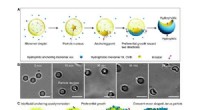
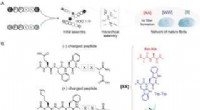
The dynamic nature of cellular processes often makes it difficult to observe and understand the subtle changes that occur during cancer development. Freeze-frame proteins, also known as conformationally trapped proteins, act as molecular snapshots that capture transient protein states and conformational changes. These proteins enable researchers to study dynamic events in biological systems in unprecedented detail, providing critical information about the molecular basis of cancer progression.
The Role of Freeze-Frame Proteins in Cancer Research:
By employing freeze-frame proteins, researchers have gained deeper insights into various aspects of cancer biology:
- Understanding Protein Function: Freeze-frame proteins allow scientists to determine the precise function of specific proteins in cancer-related pathways. This knowledge can help identify new targets for drug development and therapeutic strategies.
- Monitoring Cellular Communication: Intercellular communication plays a crucial role in tissue homeostasis and cancer development. Freeze-frame proteins facilitate the study of signaling cascades, providing a clearer picture of how cells communicate and contribute to cancer progression.
- Identifying Molecular Drivers of Cancer: Analyzing freeze-frame proteins helps identify key molecular events and drivers that initiate and sustain cancer growth, thereby aiding in the development of more personalized and targeted treatments.
- Studying Protein Dynamics: The ability to capture transient protein states enables researchers to investigate dynamic changes in protein structure, function, and interactions, revealing the complex molecular choreography that orchestrates cancer progression.
Recent Breakthroughs in Freeze-Frame Protein Research:
Advancements in technology and research methods have led to several notable breakthroughs using freeze-frame proteins in cancer studies:
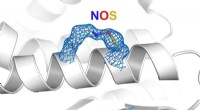
- Visualizing Protein Conformational Changes: Utilizing cryo-electron microscopy (cryo-EM) and X-ray crystallography, researchers have successfully visualized the conformational changes of proteins involved in cancer-associated processes. These detailed structures provide valuable insights into protein function and interactions.
- Capturing Protein Interactions: Techniques such as co-immunoprecipitation and Förster resonance energy transfer (FRET) have enabled the identification of protein-protein interactions that are crucial for cancer development and progression.
- Unraveling Signaling Pathways: Freeze-frame proteins have helped decipher signaling pathways that control cell growth, division, and survival, shedding light on the mechanisms that drive cancer formation and progression.
Conclusion:
Freeze-frame proteins have emerged as powerful tools in cancer research, providing researchers with unique opportunities to capture and analyze transient cellular changes and interactions. By studying these molecular snapshots, scientists have gained valuable insights into the dynamic processes underlying cancer evolution and progression. These breakthroughs hold promise for the development of more targeted therapies, early detection methods, and a deeper understanding of the complexities of cancer biology, ultimately leading to improved patient outcomes and more effective cancer management strategies.