The stripes in zebrafish are primarily determined by genetic factors. They are caused by the interaction of multiple pigment cells, such as melanophores, xanthophores, and iridophores, which are responsible for producing different colors and patterns. These cells are distributed along the body of the fish in a way that creates the striped appearance.
However, there can be variations in the stripe patterns based on different genetic strains, mutations, or environmental factors. Here are a few exceptions where zebrafish might not exhibit the typical stripes:
1. Albino Zebrafish: Albino zebrafish lack pigment cells, including melanophores, which are responsible for producing the dark stripes. As a result, albino zebrafish appear transparent or very pale without any noticeable stripes.
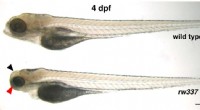
2. Mutant Strains: Researchers and hobbyists have developed various mutant strains of zebrafish with altered color patterns. These strains can exhibit different stripe patterns, reduced striping, or even complete absence of stripes. For example, the "leopard" mutant strain has spots instead of stripes, while the "striped-fading" mutant strain gradually loses its stripes over time.
3. Environmental Factors: Certain environmental factors can influence the stripe patterns in zebrafish. For instance, changes in water temperature, light conditions, or diet may affect the expression of pigment genes, leading to subtle alterations in the stripes.
Despite these exceptions, the vast majority of zebrafish populations do have stripes. The striped pattern is a distinctive characteristic of the species and has contributed to their popularity as a model organism for scientific research and aquarium keeping.