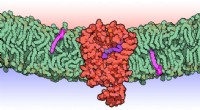
The researchers found that pneumococcus produces a small molecule called pneumolysin, which binds to a receptor on immune cells called the Toll-like receptor 4 (TLR4). This binding triggers a cascade of events that leads to the release of inflammatory cytokines, which are proteins that promote inflammation. Inflammation is a normal response to infection, but in the case of pneumococcal infections, it can be excessive and lead to tissue damage and organ failure.
The researchers also found that pneumolysin can directly damage immune cells, causing them to undergo apoptosis, or programmed cell death. This can further impair the immune system's ability to fight off the infection.
The discovery of how pneumococcus communicates with the host immune system could lead to new ways to prevent and treat pneumococcal infections. For example, it may be possible to develop drugs that block the binding of pneumolysin to TLR4, or to develop vaccines that target pneumolysin. Such therapies could help to reduce the incidence and severity of pneumococcal infections, which are a major public health problem.
Pneumococcal infections are a leading cause of pneumonia, meningitis, and sepsis, and are estimated to cause over 1 million deaths worldwide each year. The elderly, the very young, and those with weakened immune systems are at greatest risk of developing pneumococcal infections.