One such group of microorganisms that pose a grave threat to human health is bacteria, which can cause a range of infections and diseases. To combat these bacterial foes, mitochondria employ a potent arsenal of defense mechanisms that work together to neutralize and eliminate the invading microbes.
1. Reactive Oxygen Species (ROS) Production:
Mitochondria are equipped with the ability to generate reactive oxygen species (ROS) as a first line of defense against bacteria. ROS, such as superoxide and hydrogen peroxide, are potent molecules that can damage bacterial cell structures, including proteins and DNA. By unleashing these ROS, mitochondria directly attack the invading bacteria, hindering their growth and proliferation.
2. Mitochondrial DNA Damage:
Bacteria have evolved strategies to target and damage the DNA within mitochondria, disrupting their function and impairing energy production. In response, mitochondria possess mechanisms to detect and repair damaged DNA, safeguarding their integrity and ensuring continued cellular energy supply.
3. Mitochondrial Uncoupling:
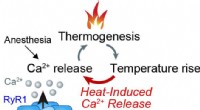
Mitochondria can deliberately uncouple the process of oxidative phosphorylation, disrupting the production of ATP (cellular energy currency) while simultaneously generating heat. This strategy, known as mitochondrial uncoupling, creates an inhospitable environment for bacteria that thrive in stable temperatures. The elevated heat generated by uncoupling directly damages the bacteria, contributing to their demise.
4. Apoptosis Induction:
In certain scenarios, mitochondria orchestrate the initiation of apoptosis, a form of programmed cell death. By activating this pathway, mitochondria trigger the self-destruction of infected cells, preventing the spread of bacteria to neighboring healthy cells.
5. Interaction with Immune Cells:
Mitochondria communicate with immune cells, such as macrophages and neutrophils, which are central players in the body's defense system against bacteria. They release signaling molecules and engage in direct physical interactions, enhancing the immune cells' ability to recognize and eliminate bacterial invaders.
The intricate interplay between mitochondria and bacteria highlights the complex and dynamic nature of cellular defense mechanisms. Mitochondria are no mere energy generators; they are active participants in the fight against life-threatening microorganisms, protecting the cell's integrity and contributing to overall health and well-being.