1. Synthetic materials: Most of our clothes are made from synthetic materials, such as polyester, nylon, and acrylic. These materials are made from long, thin fibres that are very strong and durable.
2. Abrasion: When we wash our clothes, the fibres rub against each other and against the inside of the washing machine. This causes the fibres to break down into smaller and smaller pieces, which are called microfibres.
3. Wastewater: Microfibres are too small to be caught by most washing machine filters, so they go down the drain and into the wastewater system.
4. Ocean: The wastewater from our homes and businesses eventually flows into the ocean. Microfibres can remain suspended in the water for long periods of time, and they can travel long distances by ocean currents.
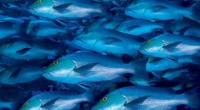
5. Ingestion by marine life: Marine animals, such as fish, whales, and seabirds, can ingest microfibres. Microfibres can block the animals' digestive tracts and cause them to starve. They can also absorb toxic chemicals from the water, which can then be passed up the food chain.
6. Death: Microfibre pollution can cause marine animals to die from starvation, disease, or chemical poisoning. It can also affect the reproduction and development of marine animals.
Microfibre pollution is a serious problem that is harming our oceans and marine life. We can all help to reduce microfibre pollution by washing our clothes less frequently, using cold water, and avoiding using fabric softeners.