1. Nutritional Requirements: Fish have species-specific nutritional requirements, which vary depending on their life stage, size, and environment. Providing them with a diet rich in essential nutrients, including protein, lipids, carbohydrates, vitamins, and minerals, supports proper growth, development, and overall well-being.
2. Energy Source: Food serves as the primary energy source for fish. They obtain energy from carbohydrates, lipids, and proteins present in their diet, allowing them to carry out essential life processes such as swimming, foraging, and reproduction.
3. Growth and Body Condition: A nutritious diet contributes to proper growth and body condition. Fish that receive adequate nutrition have improved growth rates, better body conformation, and increased stamina compared to those fed deficient diets.
4. Immune Function: A balanced diet plays a pivotal role in supporting a fish's immune system. Essential nutrients, such as vitamin C, vitamin E, and omega-3 fatty acids, help strengthen the immune response, making fish less susceptible to diseases and infections.
5. Reproduction and Fertility: Proper nutrition is crucial for successful reproduction in fish. Diets rich in essential nutrients, particularly proteins and lipids, enhance reproductive performance, resulting in higher fecundity and better egg and sperm quality.
6. Stress Response: Nutrition plays a role in fish's ability to cope with stressors, such as environmental changes, handling, transportation, and crowding. A well-nourished fish can better withstand stressful situations and recover more quickly.
7. Nutrient Deficiencies and Diseases: Insufficient or imbalanced diets can lead to nutrient deficiencies and associated diseases. For instance, a lack of vitamin C causes scurvy, while a deficiency in thiamine results in thiamine deficiency syndrome, both of which can have detrimental effects on fish health.
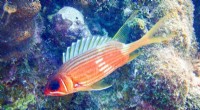
8. Coloration and Appearance: The diet can impact a fish's coloration and overall appearance. Fish that receive a varied diet with carotenoids and other pigments may exhibit vibrant colors and patterns, enhancing their visual appeal and health.
9. Aquaculture Importance: In aquaculture, providing fish with appropriate nutrition is essential for the sustainable production of fish for human consumption. It helps ensure optimal growth, improved disease resistance, and ultimately yields higher quality and more nutritious fish for the market.
10. Environmental Impact: Fish play crucial roles in aquatic ecosystems, contributing to nutrient cycling and supporting other aquatic organisms. A balanced diet can optimize their overall health and ecological functions, benefiting the entire aquatic environment.
Therefore, it is essential for aquarists, fish farmers, conservationists, and even recreational fishers to understand and provide their fish with appropriate diets to ensure they receive the nutrients they need for optimal health and well-being.