Cellulose is a complex sugar molecule that is the main structural component of plant cell walls. It is essential for the plant's ability to grow, withstand environmental stresses, and transport water and nutrients.
The research team, led by scientists at the University of Cambridge, found that a specific protein, called Cellulose Synthase-Like F6 (CSLF6), plays a critical role in the production of cellulose. CSLF6 is a member of a family of proteins called cellulose synthases, which are responsible for synthesizing cellulose.
The researchers used a combination of genetic, biochemical, and imaging techniques to study the function of CSLF6 in the plant Arabidopsis thaliana. They found that CSLF6 is located at the plasma membrane, where it interacts with other cellulose synthases to form a cellulose synthase complex. This complex is responsible for synthesizing cellulose microfibrils, which are the basic building blocks of the cell wall.
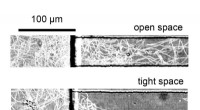
The researchers also found that CSLF6 is essential for the proper orientation of cellulose microfibrils in the cell wall. This orientation is critical for the plant's ability to withstand mechanical stresses, such as wind and rain.
The discovery of CSLF6's role in cellulose synthesis could lead to new ways to improve crop yields and develop new biofuels. For example, it may be possible to engineer plants to produce more cellulose, which could make them more resistant to environmental stresses and increase their biomass for biofuel production.
"Our findings provide a new understanding of the molecular mechanisms underlying cellulose synthesis in plants," said Dr. Paul Dupree, a plant scientist at the University of Cambridge and lead author of the study. "This could lead to new opportunities for improving crop yields and developing sustainable biofuels."
The study was published in the journal Nature Plants.