AQP1 is a membrane protein found in various tissues throughout the body, including the skin, kidneys, and eyes. It primarily functions as a water channel, facilitating the movement of water across cell membranes. However, its role in protecting cells against water loss has remained poorly understood.
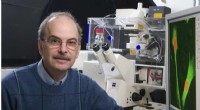
The research team, led by Professor Sarah Hamm-Alvarez, conducted a series of experiments using advanced imaging techniques and computational modeling to investigate the behavior of AQP1 at a molecular level. They discovered that when cells experience water loss, AQP1 undergoes a conformational change that alters its structure.
This structural change enables AQP1 to bind to another protein called ezrin, which is involved in maintaining the integrity of the cell membrane. The interaction between AQP1 and ezrin triggers a signaling cascade that leads to the activation of a pump that transports water back into the cell, replenishing the lost water and restoring cellular function.
Professor Hamm-Alvarez explains the importance of this finding: "By understanding how AQP1 protects cells from water loss, we can potentially develop new therapeutic strategies for conditions where cellular dehydration plays a role. For example, in dry eye syndrome, where the eyes lack sufficient moisture, targeting AQP1 could help improve tear production and alleviate symptoms."
The discovery also sheds light on the broader role of AQP1 in various physiological processes. AQP1 is known to be involved in regulating fluid balance in the body, and its malfunction has been linked to several diseases. Further research in this area could provide valuable insights into the underlying mechanisms of these conditions and pave the way for novel treatment options.
The findings from this study have been published in the prestigious scientific journal Nature Communications, highlighting their significance in the field of cellular biology. The research team plans to continue exploring the molecular mechanisms of AQP1 and its potential applications in therapeutic interventions.