Summary:
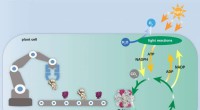
A groundbreaking study delves into the intricate details of how anesthetics impede the function of cell surface walker motors, providing vital insights into their fundamental mechanisms. These walker motors are remarkable protein complexes that transport essential cargoes within cells, playing crucial roles in cellular processes like cell division and material transport. However, their vulnerability to anesthetics has long been recognized but not fully understood.
Key Findings:
Dynamic Conformational Changes: The study reveals that anesthetics target specific conformational changes that occur during the walker motors' movement. These conformational changes are essential for the motors to 'walk' along the cell surface, efficiently performing their transport duties.
Disrupting Energy Landscape: Anesthetics interfere with the energy landscape of the walker motors, introducing obstacles and barriers that hinder their movement. By subtly altering the cellular environment, anesthetics disturb the delicate energetic balance required for the motors' efficient operation.
Cargo Binding Inhibition: Anesthetics directly interfere with the binding of cargoes to the walker motors. This disruption effectively prevents the motors from grabbing their designated payloads and transporting them to their destinations, further stalling cellular processes.
Implications:
Cellular Processes Disrupted: The findings highlight the profound impact of anesthetics on cell surface walker motors, underscoring their critical role in various cellular processes. Disruption of these motors due to anesthesia could have implications for cell division, development, and the transport of crucial cellular components.
Anesthesia Mechanisms Unveiled: The study significantly contributes to our understanding of the fundamental mechanisms by which anesthetics exert their effects. By targeting these walker motors, anesthetics effectively halt cellular processes, leading to the reversible loss of consciousness and sensation during surgical procedures.
Potential Therapeutic Applications: The study opens up new avenues for exploring the manipulation of cell surface walker motors for therapeutic purposes. Targeting these motors with small molecules or drugs could provide potential avenues for treating cellular malfunction-associated diseases.
Conclusion:
The study deepens our comprehension of the intricate relationship between anesthetics and cell surface walker motors. By elucidating the underlying mechanisms of how anesthetics halt these molecular 'walkers,' the research paves the way for further advancements in anesthesia research and the potential development of novel therapies.