Summary:
A new study has shed light on a peculiar phenomenon observed within the nucleus of cells. This phenomenon, known as protein clustering, involves the spontaneous assembly of certain proteins into dense, dynamic clusters within the nucleus. Scientists have previously noted this behavior but lacked a comprehensive understanding of its underlying mechanism. This research team set out to investigate and uncover the driving factors behind protein clustering, providing valuable insights into the intricate dynamics within the nucleus.
Why Protein Clustering Matters:
The researchers emphasize the significance of protein clustering in cellular functioning. When proteins cluster, they can interact and communicate more efficiently, accelerating cellular processes and enhancing the cell's response to various stimuli. These clusters also serve as platforms for organizing specific biological processes and reactions. Therefore, understanding the mechanisms that govern protein clustering is essential for comprehending the overall dynamics of cellular systems.
Revealing the Mechanism:
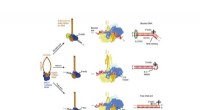
The study employed a combination of experimental and computational approaches to unravel the mechanism responsible for protein clustering. The team discovered that the clustering behavior is initiated by proteins known as "scaffold proteins." These scaffold proteins act as central organizers that bind to multiple copies of a specific protein, effectively bringing them together. Once gathered around the scaffold proteins, these proteins self-assemble into clusters through weak intermolecular interactions, similar to molecules assembling to form crystals.
Dynamic Clusters:
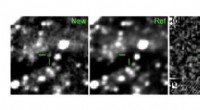
The researchers also found that these clusters are not static entities but instead exhibit dynamic behavior. Constantly undergoing changes in size and composition, these clusters disassemble and reassemble over time as proteins enter and exit the cluster. This dynamic nature allows the cell to adapt and respond quickly to changing conditions, ensuring efficient utilization of resources and the ability to switch cellular functions on or off swiftly.
Significance:
This research provides a much-needed explanation for protein clustering, a phenomenon essential for cellular function. By unraveling the underlying mechanism behind cluster formation, scientists can better comprehend the intricate cellular processes and pave the way for potential therapeutic interventions targeting these clusters in disease states. Additionally, the study's findings deepen our understanding of the organization and communication within the nucleus, offering valuable insights into the workings of the cellular machinery.