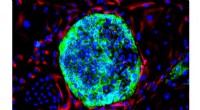
Genome Integration: Artificial ingredients can be integrated directly into the cell's genome. This is often achieved through genetic engineering techniques such as gene editing, transgenesis, or viral delivery systems. The introduced genetic material becomes part of the cell's DNA, allowing cells to read and interpret the new instructions.
Transcription: Once the artificial genetic material is integrated into the genome, it can undergo transcription. During transcription, the DNA sequence is copied into messenger RNA (mRNA) molecules. The mRNA carries the genetic information from the nucleus to the cytoplasm, where protein synthesis occurs.
Translation: The mRNA molecules produced during transcription serve as templates for translation, the process by which proteins are synthesized. Ribosomes read the mRNA sequence and assemble the corresponding amino acids based on the genetic code. These amino acids are then linked together to form functional proteins.
Protein Function: The proteins synthesized from the artificial genetic material can perform various functions within the cell, depending on their specific structure and molecular properties. These functions can range from enzyme catalysis and signal transduction to protein-protein interactions and cellular regulation.
Regulatory Elements: Artificial genetic sequences may also include regulatory elements, such as promoters, enhancers, and silencers, that control gene expression. These elements determine when, where, and to what extent the artificial genes are expressed within the cell.
It's important to note that the way cells read and process artificial ingredients can be influenced by several factors, including the specific nature of the introduced genetic material, the cellular context, and the overall genetic makeup of the organism. Additionally, the integration of artificial genetic sequences can have unintended effects, such as disrupting endogenous gene expression or causing genomic instability. Therefore, careful consideration and rigorous safety assessments are essential when introducing artificial components into the genetic recipe of cells.