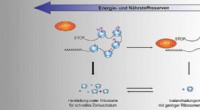
1. Energy Surplus: When bacteria find themselves in an environment rich with nutrients, they often consume more than they immediately need. This excess energy is then used to synthesize PHAs.
2. PHA Synthase Enzymes: Bacteria possess specialized enzymes called PHA synthases, which are responsible for synthesizing PHA polymers. These enzymes polymerize various short-chain acyl-CoA molecules to create long chains of PHAs.
3. Carbon Source: The carbon atoms used to build PHA chains are derived from the breakdown of carbohydrates, fatty acids, and other organic compounds present in the environment.
4. Storage Granules: PHAs are stored as granules within the cytoplasm of bacteria. These granules can occupy up to 90% of the cell's volume, acting as energy reserves.
5. Lean Times: When food becomes scarce, the bacteria degrade the PHA granules to obtain carbon and energy. The stored PHA molecules are broken down into smaller units (monomers) by specific PHA depolymerases and converted into acetyl-CoA, a central metabolic intermediate that can be used as an energy source.
6. Adaptation and Survival: The ability to accumulate PHAs during times of abundance allows bacteria to survive through periods of nutrient scarcity. This physiological adaptation is particularly crucial when bacteria face fluctuating environmental conditions or unpredictable access to nutrients. By forming a reserve of PHAs, bacteria can maintain cellular processes and sustain themselves until more favorable conditions return.
7. Industrial Applications: The production of PHAs has gained significant interest in various industries. Due to their biodegradability and versatility, PHAs are used in the production of bioplastics, coatings, and films, among other applications.
Overall, the creation of PHA reserves is a clever adaptation employed by bacteria to manage fluctuations in nutrient availability. By storing excess energy in these carbon-rich granules, bacteria ensure their survival and potential growth when conditions become less favorable.