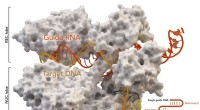
The first step in gene activation is the binding of transcription factors to specific DNA sequences called promoters. Promoters are located near the start of genes, and they provide a binding site for transcription factors, which are proteins that can activate or repress gene expression.
When a transcription factor binds to a promoter, it can recruit other proteins and molecules to form a larger complex called a transcription initiation complex. This complex helps the cell's RNA polymerase enzyme to bind to the DNA and begin transcribing the gene into an RNA molecule.
The transcription process can be regulated in several ways. One way is by controlling the availability of transcription factors. Transcription factors can be synthesized or degraded in response to various signals, such as hormones or growth factors. Another way to regulate transcription is by altering the accessibility of promoters. Promoters can be hidden by DNA methylation or other modifications, which prevent transcription factors from binding to them.
The regulatory network that controls gene expression is essential for proper cellular function. By understanding how this network works, researchers can better understand how cells develop, differentiate, and respond to their environment. Dysregulation of the regulatory network can lead to diseases such as cancer, diabetes, and neurodegenerative disorders.
Here is a simplified overview of the steps involved in gene activation:
1. Transcription factors bind to specific DNA sequences called promoters.
2. The transcription factors recruit other proteins and molecules to form a larger complex called a transcription initiation complex.
3. The transcription initiation complex helps the cell's RNA polymerase enzyme to bind to the DNA and begin transcribing the gene into an RNA molecule.
The transcription process can be regulated in several ways, including:
* Controlling the availability of transcription factors
* Altering the accessibility of promoters
* Modifying the structure of chromatin