A new study has shed light on why some bacterial infections are so persistent and difficult to treat. The research, published in the journal Nature Microbiology, found that certain bacteria can form a protective biofilm that shields them from antibiotics and immune cells.
Biofilms are communities of bacteria that grow on surfaces. They are often found in the body, such as on the teeth, skin, and intestines. Biofilms can be beneficial, but they can also cause disease. For example, biofilms can lead to infections that are difficult to treat, such as pneumonia, urinary tract infections, and wound infections.
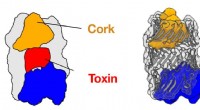
The study found that biofilms form when bacteria produce a type of protein called curli. Curli proteins help bacteria to attach to surfaces and to each other. This allows them to form a dense community that is resistant to antibiotics and immune cells.
The researchers also found that curli proteins can help bacteria to spread. When a biofilm is disrupted, the bacteria can release curli proteins that can then help them to attach to new surfaces. This can lead to the spread of infection.
The findings of this study could lead to new ways to treat bacterial infections. By targeting curli proteins, it may be possible to prevent biofilms from forming or to disrupt them once they have formed. This could make it easier to treat infections that are currently difficult to treat.
Here are some additional details about the study:
* The researchers used a variety of techniques to study biofilms, including microscopy, DNA sequencing, and gene expression analysis.
* They found that curli proteins are produced by a wide variety of bacteria, including E. coli, Pseudomonas aeruginosa, and Staphylococcus aureus.
* Curli proteins are essential for biofilm formation in these bacteria.
* Disrupting curli proteins can prevent biofilm formation and make bacteria more susceptible to antibiotics.
The findings of this study have implications for the treatment of a variety of bacterial infections, including:
* Pneumonia
* Urinary tract infections
* Wound infections
* Dental plaque
* Otitis media (ear infection)
By targeting curli proteins, it may be possible to develop new treatments that are more effective at preventing and treating these infections.