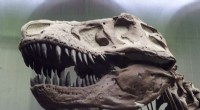
The size and shape of a dinosaur's teeth could also give clues about its diet. For example, dinosaurs with long, pointed teeth were likely carnivores, while dinosaurs with short, blunt teeth were likely herbivores. The number of teeth a dinosaur had could also be an indicator of its diet. Dinosaurs with a large number of teeth were likely herbivores, while dinosaurs with a small number of teeth were likely carnivores.
In addition to the shape and size of their teeth, the digestive systems of dinosaurs could also provide clues about their diet. For example, dinosaurs that had a long, coiled digestive system were likely herbivores, while dinosaurs that had a short, straight digestive system were likely carnivores. The length and complexity of a dinosaur's digestive system could also give clues about the types of plants it ate. For example, dinosaurs that had a long, complex digestive system were likely able to eat a wide variety of plants, while dinosaurs that had a short, simple digestive system were likely only able to eat a few types of plants.
By studying the teeth and digestive systems of dinosaurs, paleontologists can learn a great deal about their diet. This information can help us to understand the evolution of dinosaurs and how they adapted to different environments.