1. Efflux pumps: Bacteria can develop efflux pumps that actively pump antibiotics out of the cell. This makes the antibiotic less effective at killing the bacteria.
2. Target site modifications: Bacteria can modify the target site of the antibiotic, making it less effective at binding and inhibiting the target protein.
3. Mutation: Bacteria can acquire mutations that alter the target protein or its surrounding environment, reducing the binding affinity of the antibiotic.
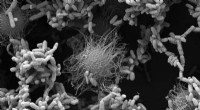
4. Biofilm formation: Bacteria can form biofilms, which are communities of cells that are attached to a surface. Biofilms can make it more difficult for antibiotics to penetrate and reach the bacteria, making them less effective.
5. Horizontal gene transfer: Bacteria can acquire resistance genes from other bacteria through horizontal gene transfer. This allows bacteria to rapidly acquire new resistance mechanisms.
It's important to note that antibiotic resistance is a natural process that has been occurring for millions of years. However, the overuse and misuse of antibiotics in humans and animals have accelerated the development of resistance in recent decades.
To combat antibiotic resistance, it's essential to use antibiotics responsibly, follow proper dosing and duration guidelines, and implement infection prevention and control measures. Developing new antibiotics and alternative antimicrobial strategies is also critical to stay ahead of the evolving resistance mechanisms.