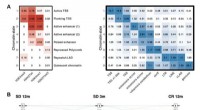
Sex determination in turtles is a complex process that is influenced by both genetics and environmental factors. In most turtle species, sex is determined by the temperature at which the eggs are incubated. Eggs that are incubated at warmer temperatures produce female turtles, while eggs that are incubated at cooler temperatures produce male turtles.
The new study has identified the specific genes that are responsible for this temperature-dependent sex determination in turtles. The researchers found that two genes, called Dmrt1 and Sox9, play a key role in regulating the development of male and female turtles. Dmrt1 is a gene that is essential for male development, while Sox9 is a gene that is essential for female development.
The researchers found that the expression of these two genes is controlled by the temperature at which the eggs are incubated. At warmer temperatures, Dmrt1 expression is increased, which leads to the development of male turtles. At cooler temperatures, Sox9 expression is increased, which leads to the development of female turtles.
These findings provide new insights into the mechanisms that control sex determination in turtles. They also have implications for the conservation of turtle populations. Climate change is causing the temperatures of many turtle nesting beaches to rise, which could lead to a decrease in the number of male turtles being produced. This could have a negative impact on the reproductive success of turtle populations and could eventually lead to their decline.