Stem cells are unspecialized cells that have the potential to develop into any cell in the body. This makes them a promising tool for regenerative medicine, as they could be used to replace damaged or diseased cells. However, stem cells must first be differentiated into the desired cell type before they can be used for therapy.
The process of differentiation is controlled by a number of factors, including the stem cell niche. The stem cell niche is the environment in which stem cells reside, and it plays a critical role in maintaining stem cell pluripotency and directing differentiation.
In recent years, researchers have made significant progress in understanding how the stem cell niche works. This knowledge has led to the development of new techniques for differentiating stem cells into specific cell types. These techniques are a promising step towards the development of stem cell-based therapies for a variety of diseases and conditions.
How the stem cell niche guides differentiation
The stem cell niche is a complex environment that contains a variety of factors that influence stem cell behavior. These factors include:
* Cell-cell interactions: Stem cells interact with other cells in the niche, such as stromal cells and endothelial cells. These interactions can provide signals that promote stem cell pluripotency or differentiation.
* Extracellular matrix: The extracellular matrix is the material that surrounds cells in the niche. It contains a variety of proteins and other molecules that can bind to stem cells and influence their behavior.
* Growth factors: Growth factors are proteins that can bind to receptors on stem cells and trigger signaling pathways that lead to differentiation.
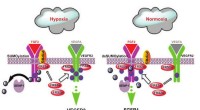
* Oxygen and nutrient levels: The oxygen and nutrient levels in the niche can affect stem cell pluripotency and differentiation.
Techniques for differentiating stem cells
Researchers have developed a number of techniques for differentiating stem cells into specific cell types. These techniques include:
* Embryoid body formation: Embryoid bodies are three-dimensional aggregates of stem cells that can self-organize into different cell types.
* Directed differentiation: Directed differentiation involves using specific growth factors and other molecules to induce stem cells to differentiate into a desired cell type.
* Transdifferentiation: Transdifferentiation is the process of converting one type of differentiated cell into another type of differentiated cell.
Stem cell-based therapies
Stem cell-based therapies are a promising new approach to treating a variety of diseases and conditions. These therapies involve using stem cells to replace damaged or diseased cells. Stem cell-based therapies are currently being investigated for the treatment of a variety of diseases, including:
* Heart disease
* Stroke
* Spinal cord injury
* Diabetes
* Parkinson's disease
* Alzheimer's disease
Stem cell-based therapies have the potential to revolutionize the way we treat disease. However, more research is needed to develop safe and effective stem cell-based therapies for the treatment of specific diseases.