Summary:
A recent scientific study has shed light on the intricate mechanisms by which plants regulate their growth and oil production. Researchers have discovered that a specific sugar-sensing protein acts as a molecular machine, essentially functioning as a switch that controls these crucial plant processes. This discovery holds significant implications for agriculture, as it could lead to the development of new strategies to enhance crop yields and optimize the production of valuable plant-based oils.
Key Findings:
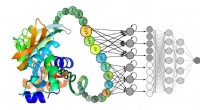
The study focuses on a sugar-sensing protein known as trehalose-6-phosphate (T6P) synthase 1 (TPS1), which plays a central role in sensing sugar levels within plant cells.
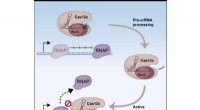
TPS1 acts as a molecular switch, directly regulating the production of the plant hormone gibberellin (GA). GA is a crucial regulator of plant growth and development, influencing stem elongation, leaf expansion, and flower formation.
The research team found that TPS1 switches GA production on or off depending on sugar availability. When sugar levels are high, TPS1 activity is increased, leading to elevated GA levels and enhanced plant growth. Conversely, when sugar levels are low, TPS1 activity decreases, reducing GA production and slowing down plant growth.
Moreover, the study revealed that TPS1 also controls oil production in plants. In oilseed crops such as soybean and canola, TPS1 activity influences the accumulation of oil in seeds. When TPS1 activity is enhanced, oil production increases, demonstrating the potential for manipulating TPS1 to improve crop yields of valuable plant oils.
Implications for Agriculture:
Understanding how TPS1 functions as a molecular switch for plant growth and oil production offers new avenues for crop improvement. Researchers can now focus on developing strategies to modify TPS1 activity or related pathways to enhance crop yields, increase oil production, and improve overall plant performance.
By fine-tuning TPS1 activity, it may be possible to optimize plant growth and oil production under different environmental conditions, making crops more resilient to stresses such as drought or nutrient deficiencies.
Genetic engineering or breeding approaches can be explored to introduce desirable TPS1 traits into crops, leading to the development of improved varieties with enhanced growth characteristics and increased oil content.
The discovery of TPS1's role as a molecular switch opens up exciting possibilities for advancing sustainable agriculture and meeting the growing demand for plant-based products without compromising environmental resources.
Conclusion:
The study has revealed the intricate mechanisms by which a sugar-sensing protein acts as a molecular switch to control plant growth and oil production. This discovery provides valuable insights that could revolutionize crop improvement strategies, ultimately contributing to increased agricultural productivity and the development of sustainable plant-based resources.