PRMT5 belongs to a family of enzymes called protein arginine methyltransferases, which are responsible for adding methyl groups to specific arginine amino acids within proteins. In the case of PRMT5, it specifically targets and methylates histone proteins, which are essential components of chromatin, the complex structure that packages DNA inside the cell nucleus.
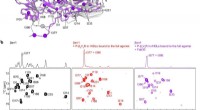
Through detailed biochemical and structural studies, the researchers revealed the precise molecular interactions that occur between PRMT5 and histones. They identified key amino acids and binding sites within the enzyme that are crucial for its ability to recognize and methylate specific histone tails.
The researchers also discovered the sequential order in which PRMT5 modifies histones, adding methyl groups to different sites in a stepwise manner. This sequential methylation process leads to specific patterns of histone modifications, which in turn influence gene expression.
Understanding the molecular mechanisms behind PRMT5's activity has significant implications for various fields of biology and medicine. Dysregulation of PRMT5 activity has been linked to several diseases, including certain types of cancer and neurological disorders. By gaining a deeper understanding of PRMT5's functions, researchers can explore potential therapeutic strategies that modulate its activity and restore normal cellular processes.
This breakthrough in understanding enzyme-mediated histone modifications paves the way for future studies on chromatin dynamics and gene regulation. It opens up new avenues for deciphering the complex interplay between epigenetic modifications and cellular processes, providing valuable insights into fundamental biological mechanisms and disease development.