Implementing the use of AI helps in wildlife conservation in several key ways:
1.Image Recognition and Analysis: AI allows for the analysis in digital images, such as those found on social media platforms, e-commerce websites, or obtained through surveillance and custom seizures. AI algorithms can detect and identify wildlife products, like animal skins, tusk or rare plant species, even within large datasets, aiding law enforcement agencies in pinpointing potential illegal activities.
2.Natural Language Processing: AI can process and understand large amounts of text data, including web pages, social media post, or encrypted communications. Natural Language Processing (NLP) AI algorithms can extract information, such as species mentioned in listings or conversations about wildlife trafficking, to uncover patterns and connections.
3.Data Mining and Pattern Recognition: AI algorithms can be applied to mine through vast database that contain information about trade transactions, shipment records, and financial data. This enable the discovery of suspicious patterns, such as unusually large shipments of wildlife products or financial transactions linked to known wildlife traffickers.
4.Risk Assessment and Predictive Analytics: AI can be used to build predictive models that helps in assessing the risk of wildlife trafficking in certain geographic regions, species types, or transportation routes. These model assist law enforcement agencies in prioritizing their efforts and resources to target high-risk areas.
5.Biometrics and Individual Identification: AI algorithms can be trained to recognize unique features of individual wildlife from body measurement, markings, or genetic profiles. This technology supports in preventing the illegal trade of specific endangered animals or plants.
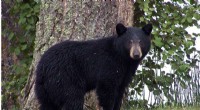
6.Camera Trap and Surveillance Monitoring: AI can be used to analysis and interpret images from camera traps and surveillance cameras installed in protected area. This assists in detecting the movement of wildlife traffickers or poaching activities in near-real-time, enabling rapid response from authorities.
7.Blockchain and Traceability: AI has also been exploring in blockchain technologies for wildlife conservation. Through the integration of AI algorithms, traceability system for wildlife products can be enhanced, guaranteeing that their journey from their origin to the consumer has been certified as legal and sustainable.
8.Collaboration and Information Sharing: AI facilitates the sharing of information among different law enforcement agencies, wildlife conservation organization, and government bodies around the world. This improves collaboration and coordination, leading to more effective enforcement actions.
The application of AI in wildlife trafficking detection is an invaluable tool in safeguarding the earth's biodiversity. However, it's crucial to consider ethical and legal implication while using AI technologies, and ensure that they align with privacy and human rights principles. By harnessing the power of AI responsibly and collaboratively, we can work toward the ultimate goal of protecting endangered species from the threat of illegal wildlife trade.