DNA, the blueprint of life, is a double-stranded molecule that can easily become tangled due to its length and the constant cellular activities that manipulate its structure. These entanglements, if not resolved, can disrupt essential processes such as DNA replication and transcription, potentially leading to genomic instability and cellular dysfunction.
Gyrase, a type II topoisomerase, plays a pivotal role in untangling DNA knots and preventing these potential catastrophes. It achieves this by temporarily breaking both strands of the double helix, passing the entangled segment through the resulting gap, and then resealing the DNA.
To understand how gyrase operates at the molecular level, biologists employed advanced imaging techniques and computational modeling to visualize and simulate the enzyme's interactions with DNA. They discovered that gyrase functions in a two-step mechanism.
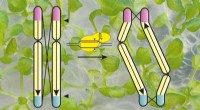
In the first step, gyrase binds to DNA and induces a conformational change that opens up the double helix, creating a transient gap between the complementary strands. This step requires the hydrolysis of ATP, the cellular energy currency, providing the energy needed to overcome the strong bonds holding the DNA together.
Once the gap is created, gyrase proceeds to the second step. It actively transports the entangled DNA segment through the gap, effectively untangling the knot or removing any topological constraints. This step involves a series of conformational changes in the enzyme, allowing for precise manipulation of the DNA.
Understanding the molecular mechanisms of gyrase provides insights into how cells preserve the integrity of their genetic material. This knowledge has implications for our understanding of fundamental biological processes like DNA replication, transcription, and genome maintenance. It also opens up new avenues for research in the development of antibiotics that target gyrase in disease-causing bacteria, paving the way for novel therapeutic strategies.