1.Synthesis and Trafficking:
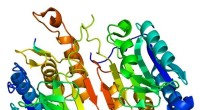
The journey begins with the synthesis of the cell surface receptor within the cell. The receptor is typically produced in the endoplasmic reticulum (ER) and undergoes various modifications, such as glycosylation and folding. These modifications are crucial for the proper structure and function of the receptor. Once ready, the receptor is packaged into transport vesicles and trafficked through the Golgi apparatus.
2.Transport to the Cell Surface:
From the Golgi apparatus, the transport vesicles carrying the receptor move along cytoskeletal tracks towards the cell membrane. The movement is directed by motor proteins that utilize energy from ATP hydrolysis to transport the vesicles along microtubules.
3.Membrane Targeting and Insertion:
Upon reaching the cell membrane, the transport vesicles fuse with the plasma membrane, releasing the receptor molecules into the lipid bilayer. This fusion process is regulated by various proteins and ensures the proper orientation of the receptor within the membrane.
4.Localization Signals and Interactions:
The receptor contains specific localization signals, which are short amino acid sequences that interact with various membrane-associated proteins. These interactions guide the receptor to its specific destination within the membrane. Some receptors may also interact with extracellular matrix components or neighboring cells, further contributing to their localization.
5.Dynamic Regulation and Recycling:
The localization of cell surface receptors is a dynamic process, constantly influenced by cellular requirements and environmental cues. Receptors may undergo internalization, where they are taken up into the cell by endocytosis. This process can lead to the degradation or recycling of the receptor. Recycling allows the receptor to return to the cell surface and continue functioning, maintaining cellular responsiveness to external stimuli.
Throughout this journey to its destination, the cell surface receptor undergoes numerous checkpoints and quality control mechanisms to ensure its proper folding, targeting, and interaction with ligands or other molecules in the extracellular environment. This fine-tuned process of receptor trafficking is critical for the overall communication and function of the cell, allowing it to respond appropriately to its surroundings.