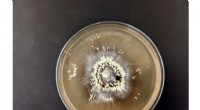
Bacteria employ a fascinating strategy to evade immune detection by forming protective shields called biofilms. These are dense communities of bacteria encased in a self-produced matrix of extracellular polymeric substances (EPS). Think of these biofilms as cloaks of invisibility that bacteria craft to camouflage themselves.
Structure of biofilms:
The EPS matrix is composed of a complex mixture of molecules, such as proteins, polysaccharides, and DNA, that provide a solid structure to the biofilm. This matrix acts as an effective barrier, blocking the entry of antibodies, antimicrobial agents, and immune cells. As a result, bacteria residing within biofilms are shielded from immune surveillance and destruction.
Adhesion to surfaces:
To establish biofilms, bacteria first adhere to surfaces, including surfaces of medical implants or even the lining of our own bodies. They use various adhesins, which are specialized molecules on their cell surface, to bind to specific receptors on host tissues or materials.
Cell-to-cell communication:
Once attached, bacteria start communicating with each other through cell-to-cell signaling, a process called quorum sensing. As their population density increases, they release chemical signals that trigger a coordinated response. This leads to the production of EPS and the formation of a fully mature biofilm.
Benefits of biofilms for bacteria:
Besides immune evasion, biofilms provide several advantages to bacteria. They enhance bacterial survival, protect against harsh environmental conditions, and facilitate nutrient sharing within the community. Biofilms also act as reservoirs for infectious agents, making them difficult to eradicate completely.
Challenges in biofilm control:
Due to their protective nature, biofilms pose significant challenges in the medical and industrial sectors. In medical settings, biofilms can lead to chronic infections, particularly on medical devices and implants. In industries, they cause biofouling, hampering the efficiency and lifespan of equipment.
Conclusion:
Understanding the formation and persistence of biofilms is critical for developing strategies to combat them effectively. By unraveling the mechanisms of bacterial attachment and biofilm formation, scientists can design innovative approaches to prevent biofilm-related infections and industrial issues.