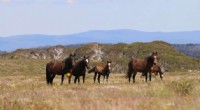
Understanding gene pools requires delving into the concept of populations in evolution. A population is a group of organisms of the same species living in the same geographical area. Members of a population share a common genetic makeup due to interbreeding.
Gene Pool:
The gene pool represents the total collection of genes found within a population. It encompasses all the different gene variations present in the individuals of that population. The larger the population, the more extensive its gene pool tends to be.
Allele Frequencies:
Allele frequencies play a crucial role in shaping a gene pool. Alleles are alternative forms of a gene that arise due to mutations. The frequency of an allele refers to the proportion of individuals within the population that carry a specific allele for a given gene.
Hardy-Weinberg Equilibrium:
The gene pool remains stable over generations when a population is in a state of Hardy-Weinberg equilibrium. This equilibrium is characterized by the absence of evolutionary influences such as mutation, migration, genetic drift, and natural selection.
Evolutionary Influences:
When evolutionary influences come into play, the gene pool can undergo changes over time. For example, genetic drift, the random fluctuation of gene frequencies due to chance events, can alter the gene pool over generations, especially in small populations.
Mutation and Natural Selection:
Mutations, random alterations in the genetic material, can introduce new alleles into the gene pool. If a mutation offers a selective advantage, it may become more prevalent in subsequent generations through the process of natural selection.
Migration and Gene Flow:
Migration, the movement of individuals from one population to another, can introduce new genes into the recipient population. This exchange of genetic material can increase the gene pool's diversity.
Conservation Importance:
Gene pools are crucial for the long-term survival and adaptability of species. Maintaining a diverse gene pool ensures that populations possess the necessary genetic variation to respond to environmental changes and potential threats.