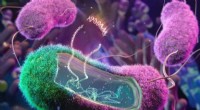
A virus is an infectious agent that can replicate only inside the living cells of an organism. Viruses are not cells, and they cannot grow or reproduce on their own. They are composed of a protein coat that encloses a core of genetic material, either DNA or RNA.
How do viruses become dangerous to human life?
Viruses can become dangerous to human life in several ways:
* By damaging cells: Some viruses can cause damage or infect body tissues, such as the flu, measles, or the common cold.
* By evading the immune system: Some viruses can mutate rapidly, allowing them to evade the human immune system and cause chronic or recurring infections. HIV, the virus that causes AIDS, is an example of this type of virus.
* By causing systemic infections: Some viruses can spread through the bloodstream and affect multiple organs and systems in the body. This can lead to life-threatening conditions, such as sepsis or organ failure.
* By triggering an overactive immune response: In some cases, the body's immune response to a viral infection can become overactive, leading to a condition called a cytokine storm. Cytokine storms can cause inflammation and damage to organs, and they can even be fatal.