How Pollen is Produced
Pollen is produced by the anthers, which are the male reproductive organs of flowers. The anthers are located at the tip of the stamen, which is the male reproductive structure of the flower. The anthers are composed of two lobes, each of which contains a pollen sac. The pollen sacs are filled with pollen grains.
When the anthers are mature, the pollen sacs split open and release the pollen grains. The pollen grains are then carried by the wind or by insects to the female flower.
How Pollen is Transferred
Pollen is transferred from the male flower to the female flower by wind or by insects. When pollen is transferred by wind, it is called wind pollination. When pollen is transferred by insects, it is called insect pollination.
Wind pollination is the most common method of pollen transfer. Wind-pollinated flowers are typically small and inconspicuous, and they produce large amounts of pollen. The pollen grains of wind-pollinated flowers are lightweight and have a smooth surface, which helps them to be carried by the wind.
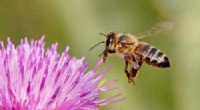
Insect pollination is a more efficient method of pollen transfer than wind pollination. Insect-pollinated flowers are typically large and showy, and they produce nectar, which attracts insects. The insects that visit the flowers to collect nectar also pick up pollen on their bodies. When the insects visit another flower, they transfer the pollen to the female flower.
The Importance of Pollen
Pollen is essential for the reproduction of flowering plants. Without pollen, flowering plants would not be able to produce seeds, and they would eventually die out. Pollen is also an important food source for many animals, including bees, wasps, and ants.
Pollen Allergies
Some people are allergic to pollen. When an allergic person inhales pollen, their body produces antibodies that attack the pollen. This reaction can cause a variety of symptoms, including sneezing, a runny nose, watery eyes, and itching. In some cases, pollen allergies can also cause more serious symptoms, such as asthma and anaphylaxis.