Evolution and Adaptations: Cave organisms exhibit various evolutionary adaptations in response to cave environments. These include:
1. Pigmentation Loss: Many cave animals lack skin pigment, as darkness eliminates its need for camouflage.
2. Vision Modification: Some cave species lose their eyesight, while others develop enhanced senses such as touch, hearing, or smell to navigate dark caves.
3. Reduced Metabolic Rates: Low food availability forces cave organisms to conserve energy, leading to slower metabolic rates.
4. Longer Lifespans: Cave dwellers often live longer than their surface counterparts due to the stable conditions and reduced predators.
5. Unusual Behaviors: Some cave animals exhibit unique behaviors, such as reverse circadian rhythms or increased aggression, to survive their secluded environment.
Cave Ecosystems: Cave ecosystems are diverse and can support a variety of organisms, including microorganisms, invertebrates, vertebrates, and even plants near cave entrances.
1. Microorganisms: Bacteria, fungi, and other microscopic organisms thrive in caves, often forming symbiotic relationships with cave animals or contributing to cave formations through their metabolic processes.
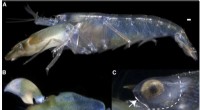
2. Invertebrates: Cave-dwelling invertebrates include spiders, insects, crustaceans, and millipedes, many of which have adapted to the darkness and nutrient scarcity.
3. Vertebrates: Some cave vertebrates include fish, salamanders, and bats. These animals may use caves for shelter, hibernation, or roosting.
Biodiversity: Caves harbor a wealth of biodiversity, with many cave species exhibiting narrow geographic distributions and high degrees of endemism. Studying cave biology helps conserve and protect these unique and fragile ecosystems.
Significance: Understanding cave biology offers valuable insights into evolution, adaptation, and conservation. It contributes to fields such as ecology, genetics, and evolutionary biology while shedding light on the diversity of life on Earth and the remarkable ways organisms have adapted to extreme environments.