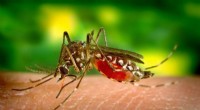
1. Estimating Time of Death (TOD): Insects are attracted to decaying remains, and different species arrive at different stages of decomposition. By identifying and analyzing the insect species present on or near a body, forensic entomologists can estimate the minimum postmortem interval (PMI), or the time since death. The abundance, life stage, and development of insects can provide valuable clues in narrowing down the time window of death.
2. Determining the Location of Death: Insects can also provide information about the location where death occurred or where a body has been moved. Certain insect species are associated with specific habitats or environments, and their presence on a body can suggest where the person died or was transported after death.
3. Detecting Concealed or Buried Remains: Insects can be useful in locating hidden or buried bodies that might otherwise be difficult to find. Some insect species are attracted to the decomposition gases emitted from buried remains, and their presence can indicate the location of a clandestine grave.
4. Exposing Drug Abuse or Poisoning: Insects can detect and feed on drugs and toxic substances present in or on a body. Analysis of insect larvae or their exuviae (shed skin) can reveal the presence of drugs or poisons, aiding in the investigation of substance abuse or poisoning-related deaths.
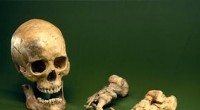
5. Identifying the Victim: Insects can sometimes help in identifying the victim of a crime. Certain insect species may feed on specific body tissues, leaving behind characteristic damage patterns. By studying these patterns, forensic entomologists may be able to narrow down the possible identities of the deceased.
6. Providing Ecological Information: Insects can provide information about the environmental conditions at the scene of a crime. Factors such as temperature, humidity, and soil type can influence the insect activity and development, and this information can be helpful in reconstructing the events surrounding a crime.
Overall, the study of insects in forensic science allows investigators to gather valuable information that can aid in solving crimes and providing justice to victims and their families.