By Ezmeralda Lee • Updated Aug 30, 2022
Solar winds are streams of charged particles—mostly electrons and protons—ejected from the Sun’s outer atmosphere. They travel at roughly 400 km s⁻¹ and can reach speeds of several hundred kilometers per second. When they encounter Earth’s magnetosphere, most are deflected, but a fraction penetrates the magnetic shield, generating geomagnetic storms.
The interaction of solar wind particles with the upper atmosphere creates the spectacular auroras seen at high latitudes: the Northern Lights in the north and the Southern Lights in the south. These luminous displays are the visible footprint of the Sun’s influence on Earth.
In 1989, a severe geomagnetic storm knocked out the Hydro‑Québec power grid, leaving millions without electricity for nine hours. The same event disrupted computer microchips and halted trading on the Toronto Stock Exchange. A 1998 geomagnetic disturbance damaged backup files on the Galaxy satellite, temporarily disabling service to 45 million pagers.
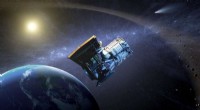
Modern space agencies monitor solar activity with satellites such as the Solar Dynamics Observatory and the GOES series. Power utilities employ protective devices and operational protocols to shield grids from induced currents. Continued research into solar physics and space‑weather forecasting is essential to safeguard critical infrastructure.