By Suzy Giovannettone Cope | Updated Aug 30, 2022
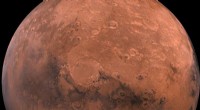
Kids are naturally drawn to the mysteries of outer space. Bring the wonders of our solar system into the classroom by guiding third‑grade students through a hands‑on project that creates a realistic, three‑dimensional model of Jupiter, the largest planet in our solar system. This activity blends science education with artistic creativity, reinforcing concepts such as planetary composition and atmospheric bands.
Inflate a large balloon to a moderate size—enough to hold the papier‑mache layers but not so full that it risks popping during construction. Place the balloon upright in a shallow bowl, ensuring the tied end is down to keep it stable while you work.
Using a pair of scissors, tear newspaper into strips roughly one inch wide and eight inches long. The uniform size helps create a smooth, even surface.
Combine ¼ cup of white school glue with just enough water to achieve a slightly runny consistency. Stir until the mixture is well blended.
Dip each newspaper strip into the glue mixture, then run it between your fingers to remove excess adhesive. Lay the strip onto the balloon, overlapping slightly to cover the entire surface. Repeat until the balloon is fully enveloped. The overlapping strips will add subtle texture, mimicking Jupiter’s cloud formations.
Allow the papier‑mache to dry overnight. In humid environments, additional time may be needed. As the layers harden, the balloon will naturally deflate, leaving a sturdy, free‑standing shell.
Apply a thin, even coat of white tempera paint across the entire model to serve as a neutral base that will enhance the depth of subsequent colors.
Mix a palette of browns, reds, and oranges to represent the planet’s atmospheric bands. Paint broad, swirling bands around the sphere, allowing pockets of the white base to show through for added depth. In the lower hemisphere, depict Jupiter’s Great Red Spot by painting a large, irregular oval with gentle swirls to convey the turbulent storm.