Nebulae are the birthplaces of stars. Here's how:
1. Gravity: The gas and dust within a nebula are constantly pulled together by gravity.
2. Density: As the material clumps together, it becomes denser and denser.
3. Heat: This compression causes the core of the clump to heat up.
4. Nuclear Fusion: Eventually, the core becomes so hot and dense that nuclear fusion begins, releasing immense energy and creating a new star.
Other roles of nebulae:
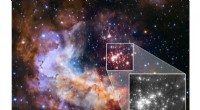
* Stellar nurseries: Nebulae can contain young, newly formed stars.
* Supernova remnants: The explosion of a dying star can create a nebula, pushing out its material into space.
* Raw material for future generations of stars and planets: The gas and dust in nebulae are the building blocks for everything in the universe.
So, while a nebula itself doesn't "do" anything, it's a vital player in the cosmic cycle of creation and destruction. It's the raw material for stars and planets, and it plays a key role in shaping the evolution of the universe.